
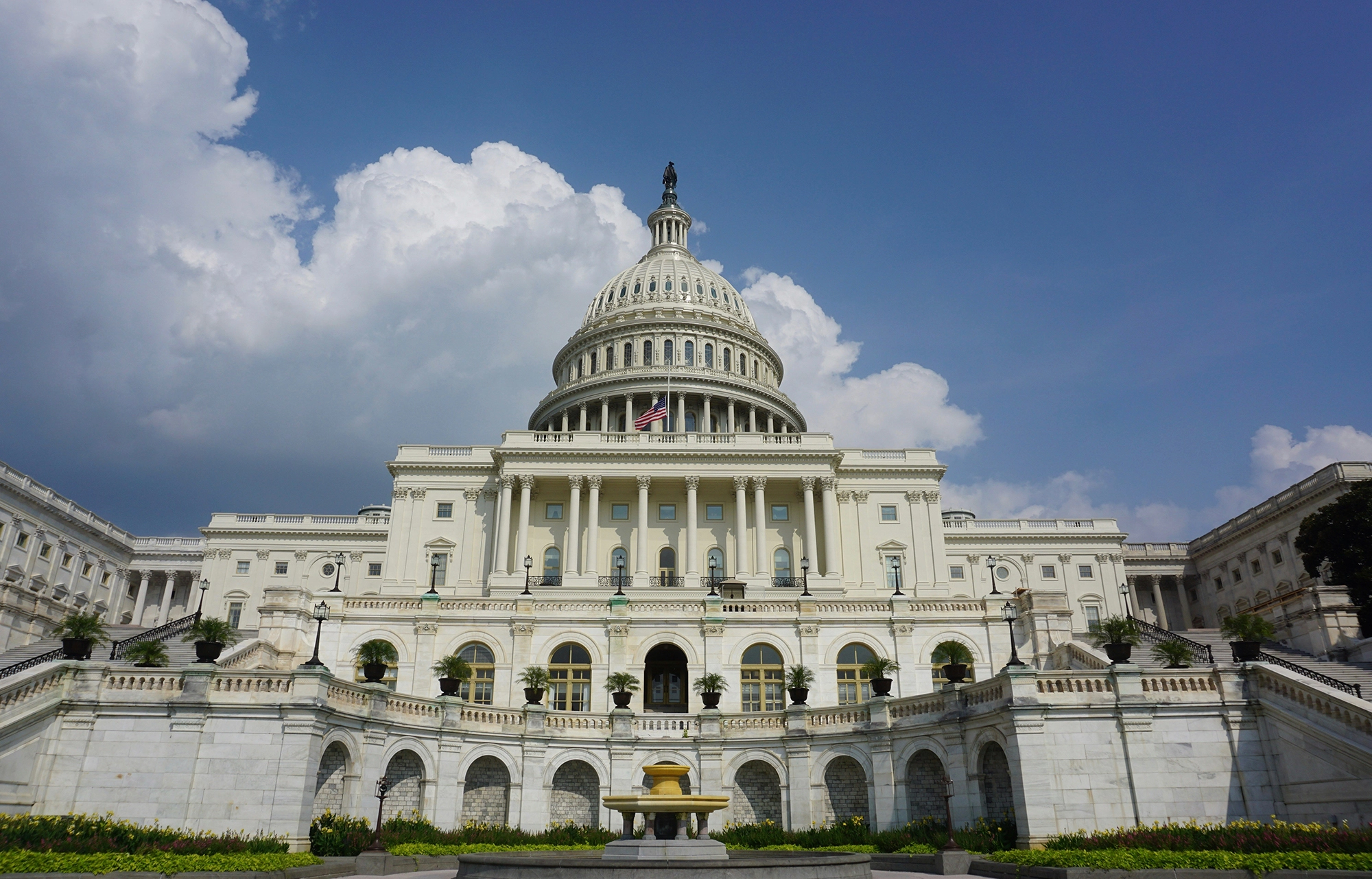
The Federal Reserve policy shift is emerging as a significant development in the evolving U.S. regulatory and macroeconomic landscape. According to recent reporting by Bloomberg, the Federal Reserve plans to scale back or withdraw certain supervisory and enforcement orders previously imposed on banks to strengthen operational controls. This recalibration comes at a delicate moment for global markets, where liquidity conditions, inflation expectations, and regulatory capital frameworks are closely intertwined.
For institutional investors and macro-driven traders, this Federal Reserve policy shift could carry meaningful implications for financial conditions, bank profitability, and broader risk appetite across asset classes—including crypto markets that remain sensitive to U.S. monetary signals.
Why the Federal Reserve Is Reassessing Past Orders
Following a series of banking stress episodes in recent years, the Federal Reserve imposed strict supervisory orders on institutions deemed to have weaknesses in governance, liquidity management, compliance, or risk controls. These measures often required banks to improve internal operations, strengthen capital planning, and enhance oversight frameworks.
Now, regulators appear ready to ease some of those earlier mandates.
The decision does not signal deregulation in the traditional sense. Instead, it reflects a view that certain banks have sufficiently addressed deficiencies identified in past reviews. In effect, the Federal Reserve policy shift acknowledges improved compliance standards while attempting to avoid excessive regulatory drag on financial intermediation.
This comes as U.S. policymakers face a balancing act:
-
Maintaining financial stability
-
Supporting economic growth
-
Managing inflationary pressures
-
Preserving credit availability
A softer supervisory stance may indicate that systemic risk concerns have moderated relative to prior crisis periods.
Macro Context: Financial Conditions and Liquidity
The timing of this Federal Reserve policy shift is particularly noteworthy.
The Federal Reserve remains in a restrictive monetary stance, with policy rates elevated compared to the ultra-loose conditions seen in 2020–2021. While inflation has cooled from its peaks, policymakers have been cautious about signaling premature easing.
However, regulatory tightening can amplify monetary tightening. When banks face heavy compliance burdens or capital constraints, lending standards tighten, credit growth slows, and liquidity conditions deteriorate.
By easing certain operational orders, the Federal Reserve policy shift may function as a subtle liquidity stabilizer—even without changing benchmark interest rates.
For macro analysts, this resembles a “micro-prudential adjustment” that offsets broader tightening effects.
Market Reaction
Equity markets typically respond positively to signs of regulatory relief, particularly in the financial sector. A Federal Reserve policy shift that reduces compliance overhead may improve bank earnings outlooks, capital deployment flexibility, and investor confidence.
In bond markets, the reaction may be more nuanced. If regulatory easing improves credit creation, it could slightly loosen financial conditions, potentially influencing Treasury yield expectations.
Crypto markets, though not directly regulated by the Federal Reserve in the same manner as banks, are highly sensitive to liquidity cycles. When U.S. financial conditions ease—even marginally—risk assets such as Bitcoin and Ethereum often benefit.
That said, the Federal Reserve policy shift should not be interpreted as a pivot toward monetary easing. It is a supervisory recalibration rather than a rate-cut signal.
Institutional Perspective: Capital Efficiency and Risk Appetite
Institutional investors view regulatory stability as a cornerstone of capital allocation decisions.
When banks operate under prolonged enforcement orders, they may:
-
Restrict share buybacks
-
Limit dividend growth
-
Reduce lending exposure
-
Tighten balance sheet expansion
By scaling back certain orders, the Federal Reserve policy shift could enhance capital efficiency within the banking system.
For asset managers, this improves clarity around:
-
Bank sector earnings visibility
-
Credit cycle durability
-
Systemic risk pricing
-
Cross-asset volatility expectations
If financial institutions regain operational flexibility, broader market risk appetite may gradually improve.
What This Means for Crypto Markets
While the Federal Reserve policy shift primarily concerns traditional banking supervision, its indirect impact on digital assets should not be underestimated.
Crypto markets are deeply correlated with:
-
Dollar liquidity conditions
-
U.S. Treasury yield dynamics
-
Banking system stability
-
Institutional risk tolerance
A more stable banking environment reduces tail-risk fears. In previous cycles, acute banking stress events have driven both capital flight into Bitcoin (as a hedge narrative) and simultaneous liquidity contractions that pressured crypto valuations.
If this regulatory recalibration signals confidence in banking system resilience, volatility spillovers into crypto may decrease.
Furthermore, institutional crypto adoption—through ETFs, custodial banks, and tokenized asset platforms—benefits from a stable and predictable U.S. banking sector.
Strategic Interpretation: Is This a Policy Pivot?
It would be premature to label this Federal Reserve policy shift as a full regulatory pivot.
Instead, it appears to be:
-
A targeted operational adjustment
-
A recognition of improved compliance
-
A risk-calibrated supervisory evolution
Crucially, there is no indication that the Federal Reserve is loosening capital requirements or weakening systemic safeguards. The shift is more surgical than structural.
For markets, that distinction matters.
A full regulatory rollback would imply systemic risk repricing. This development, by contrast, suggests incremental normalization.
Why This Matters
The Federal Reserve policy shift matters because financial regulation influences liquidity transmission as much as interest rates do.
Even modest supervisory easing can:
-
Improve credit flow
-
Reduce precautionary capital hoarding
-
Strengthen financial sector sentiment
-
Stabilize cross-asset volatility
In a macro environment defined by high rates and cautious central banking, non-rate tools become increasingly important.
For crypto traders, macro hedge funds, and institutional allocators, the key takeaway is this:
Regulatory tone is shifting slightly toward operational pragmatism, not systemic liberalization.
That subtle distinction may define market performance in the months ahead.
Forward-Looking Considerations
Investors should monitor:
-
Upcoming Federal Reserve communications
-
Bank earnings commentary on supervisory burdens
-
Changes in lending standards surveys
-
Treasury yield curve movements
-
Correlation shifts between bank stocks and digital assets
The durability of this Federal Reserve policy shift will depend on macro stability. Should inflation reaccelerate or financial stress reemerge, supervisory tightening could return.
For now, the signal is one of cautious normalization—an adjustment that may quietly support financial system resilience without altering the broader rate trajectory.
No investment advice.
Read Also :