New World Order Remarks Signal Rising Geopolitical Friction
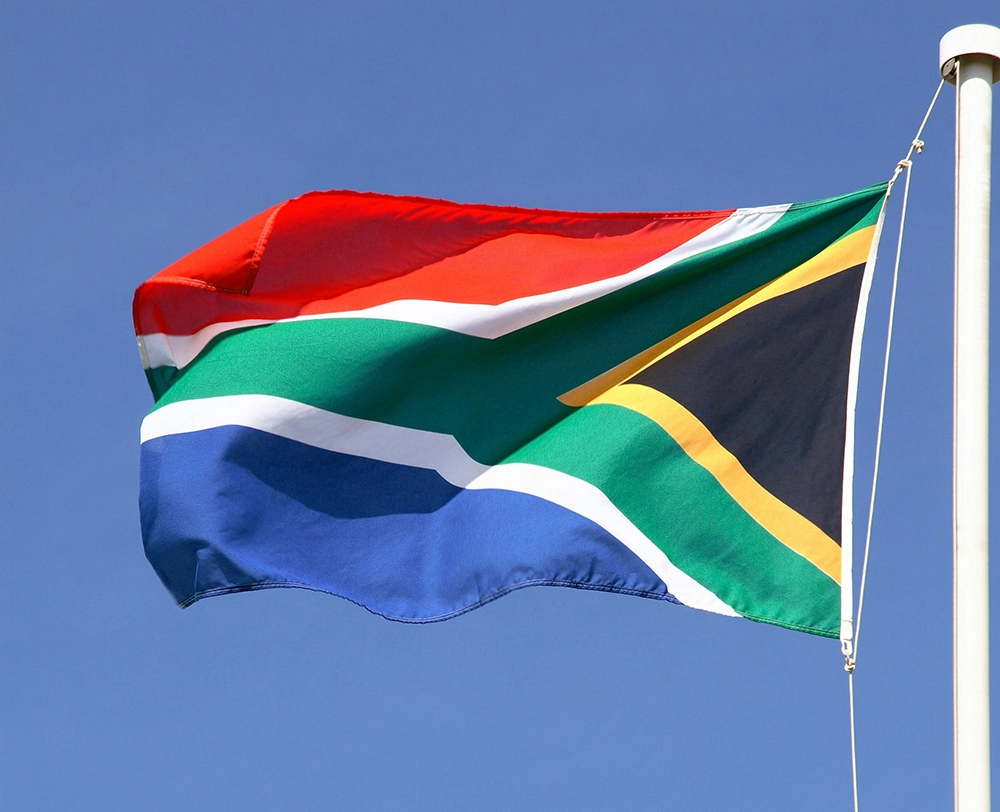
The debate over a “new world order” has resurfaced after South Africa’s president publicly criticized what he described as an emerging global power realignment, remarks widely interpreted as a response to shifting US foreign policy dynamics. The comments come amid intensifying geopolitical fragmentation and growing tension between major global powers.
The renewed discussion around the New World Order reflects deeper structural changes in international governance, trade alliances, and economic leadership. While the phrase itself carries historical weight, its modern usage increasingly points to a multipolar system where traditional Western dominance is being challenged.
The timing of these remarks underscores mounting friction between developed and emerging economies over global rules, trade leverage, and political influence.
Why the New World Order Narrative Is Reemerging
The concept of a New World Order has historically surfaced during periods of geopolitical transition. Today, it is reappearing amid:
-
Intensifying US–China strategic rivalry
-
Expanded BRICS cooperation
-
Global supply chain diversification
-
Rising protectionism
-
Fragmentation of multilateral institutions
South Africa, as a member of BRICS, occupies a unique position within this evolving framework. Its leadership has increasingly emphasized sovereignty, non-alignment, and reform of global institutions perceived as Western-centric.
In this context, criticism of the “new world order” reflects broader concern among emerging markets that global governance structures may be shifting in ways that prioritize unilateral influence over multilateral consensus.
Market Reaction to New World Order Rhetoric
Financial markets tend to react cautiously to rhetoric that signals geopolitical instability. Although no immediate systemic disruption followed the remarks, the broader New World Order debate reinforces existing uncertainty across global markets.
Investors are currently navigating:
-
Currency volatility in emerging markets
-
Commodity price fluctuations
-
Capital flow reallocation
-
Heightened sovereign risk premiums
South Africa’s economy, already sensitive to global capital flows, may face additional scrutiny from foreign investors assessing political positioning relative to major economic blocs.
However, markets generally distinguish between rhetoric and policy action. Without concrete economic measures, the immediate financial impact remains limited.
New World Order and Emerging Market Strategy
For emerging economies, the New World Order conversation is closely linked to strategic autonomy. Many countries are recalibrating foreign policy and trade relationships to reduce overdependence on single power centers.
South Africa’s position illustrates a broader trend:
-
Strengthening South-South cooperation
-
Expanding trade ties beyond traditional Western partners
-
Supporting institutional reform within global financial bodies
This strategic diversification reflects long-term structural changes rather than short-term political signaling. As geopolitical blocs become more fluid, emerging markets are seeking flexibility rather than alignment.
Macroeconomic Implications of the New World Order Shift
The evolving New World Order narrative has macroeconomic consequences that extend beyond diplomacy.
Key areas of impact include:
1. Trade Realignment
Global trade flows are increasingly regionalized, with alternative corridors gaining prominence.
2. Reserve Currency Debate
Discussions around de-dollarization and local currency trade settlements continue to gain traction in multilateral forums.
3. Institutional Reform
Calls to reform global financial institutions reflect dissatisfaction with existing governance structures.
These developments collectively signal a transition toward a more distributed power architecture.
Why This Matters
The renewed New World Order discourse matters for investors, policymakers, and multinational corporations alike.
-
It signals accelerating geopolitical fragmentation.
-
It underscores tension between developed and emerging economies.
-
It may influence capital allocation strategies.
-
It shapes long-term trade and currency dynamics.
While rhetoric alone does not alter global systems, sustained political positioning can gradually reshape economic alliances and financial flows.
For global markets, the central question is whether this evolving New World Order results in structural policy shifts or remains primarily a narrative tool within diplomatic discourse.
At present, the trajectory suggests continued multipolarity rather than abrupt systemic rupture. However, investors will closely monitor whether rhetoric translates into measurable trade, regulatory, or monetary adjustments.
This article is for informational purposes only and does not constitute financial or political advice.
Read Also
Kazakhstan Railway IPO: Strategic $1 Billion Move Signals Major Shift in Central Asia Infrastructure
South African Leader Decries New World Order in Dig at Trump